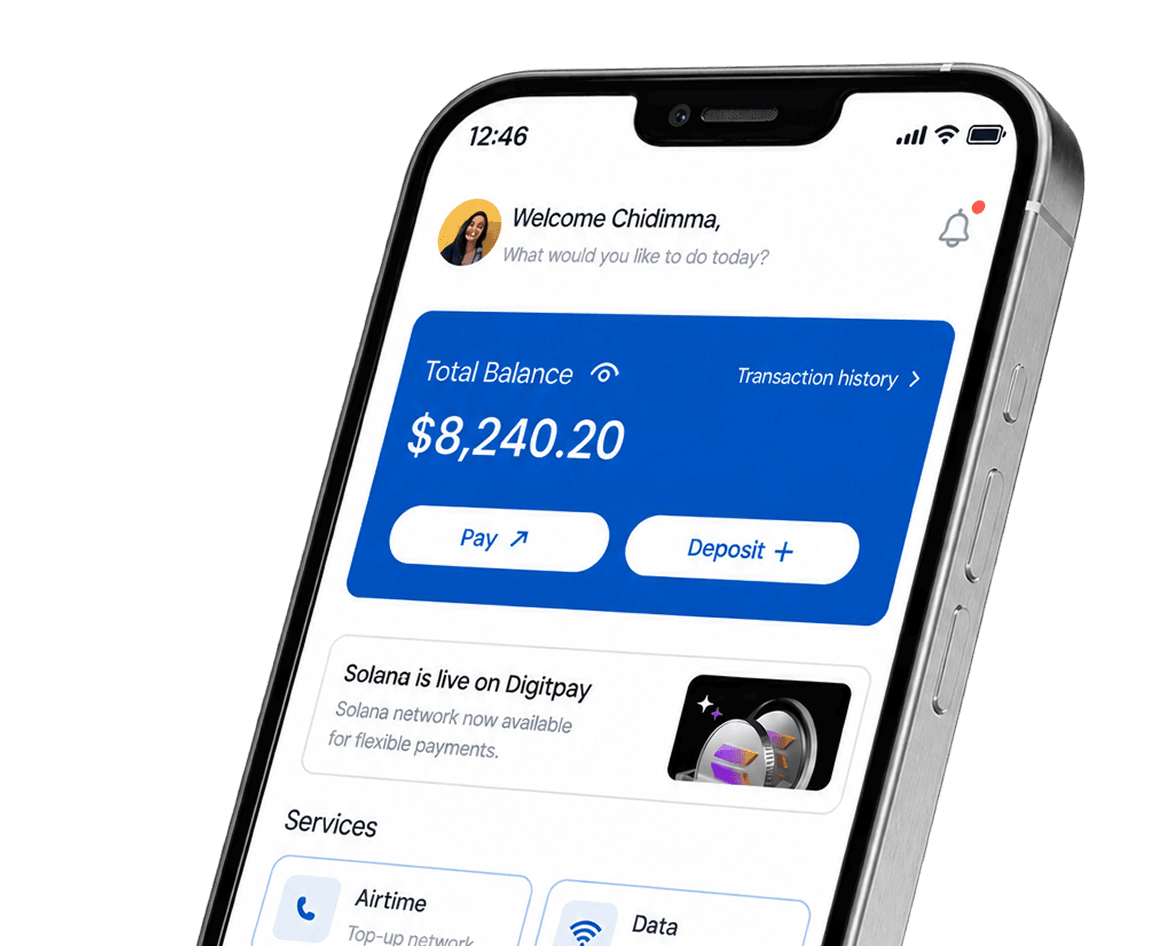
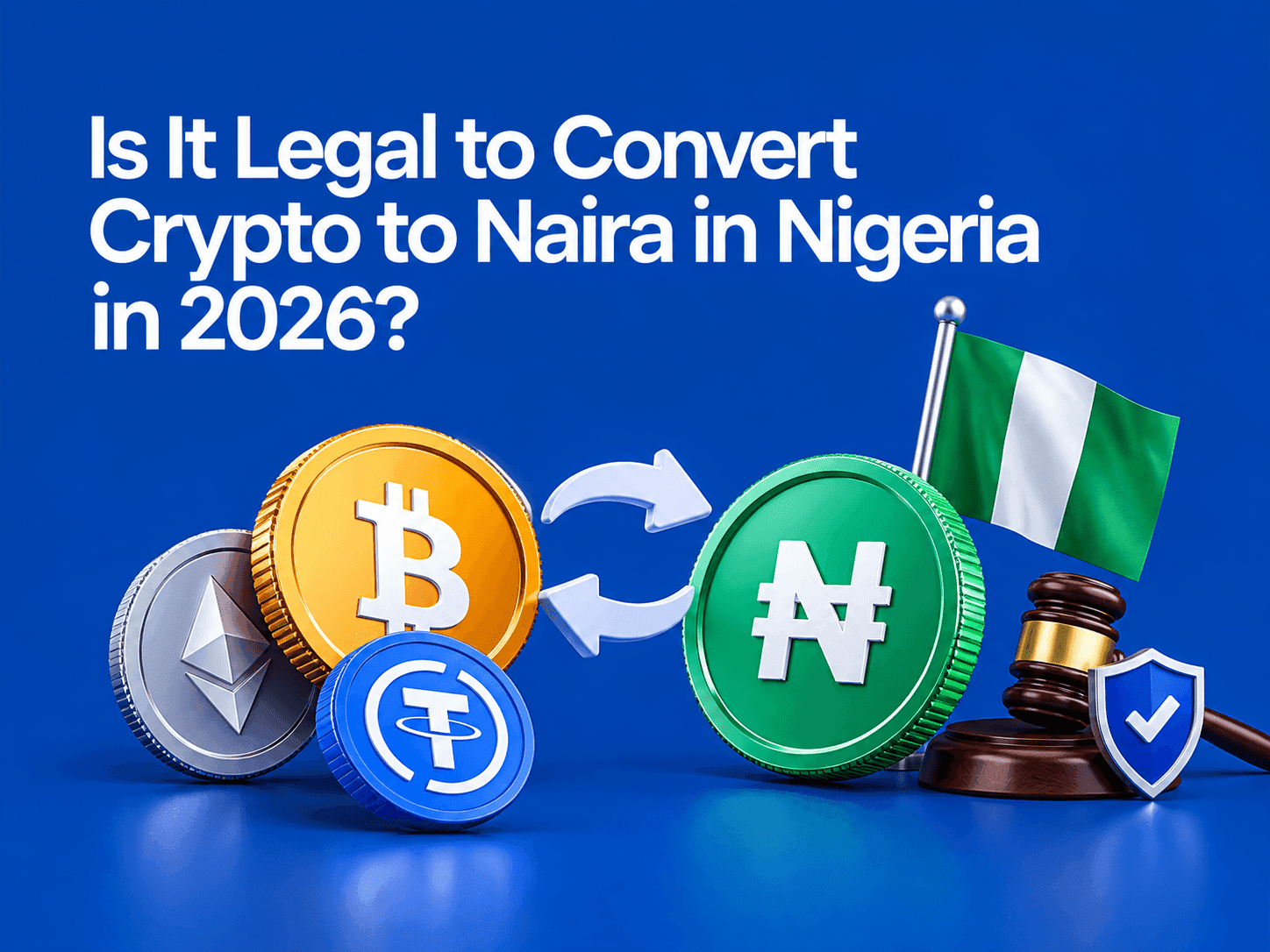
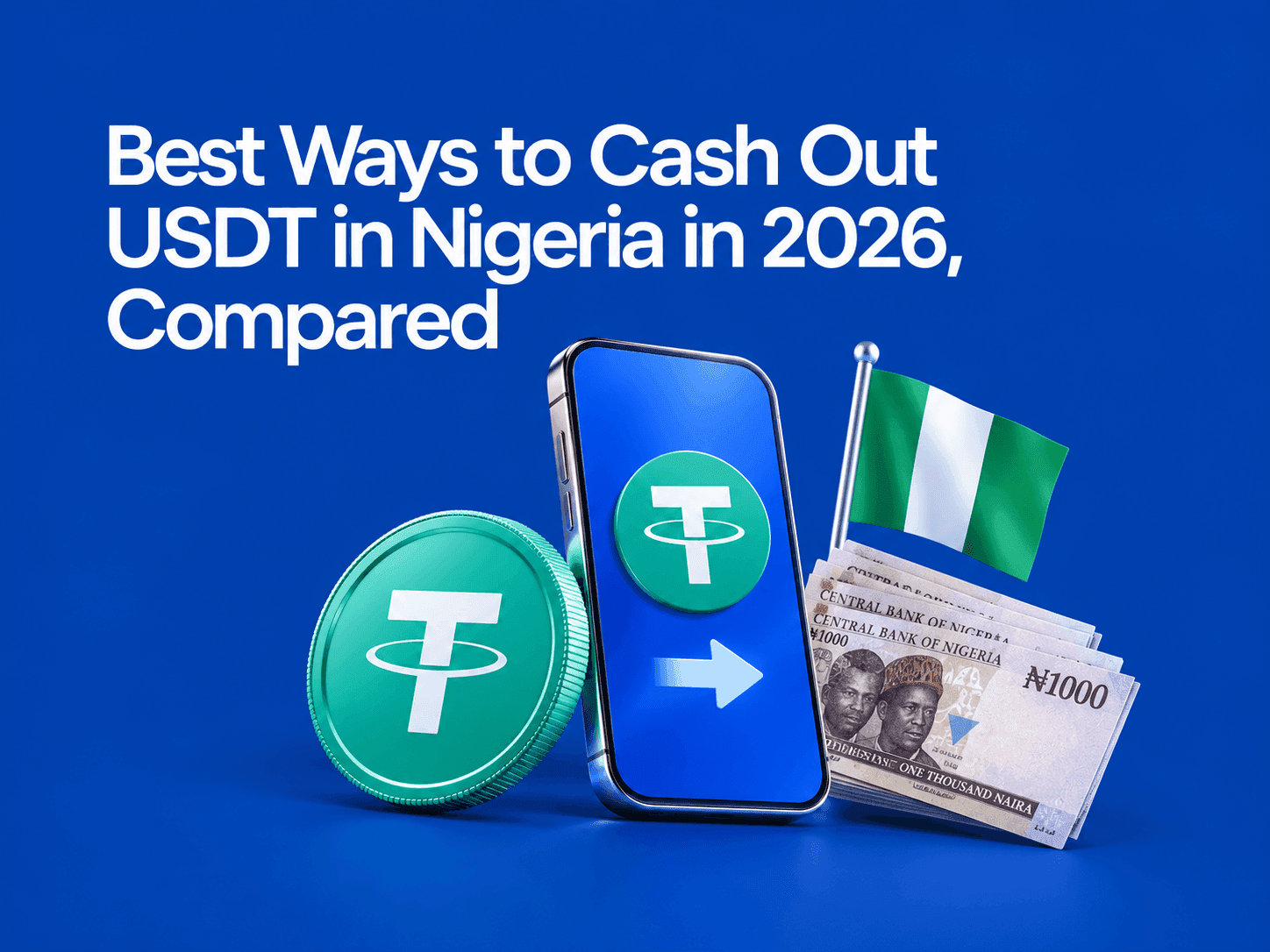
Simple to use | Borderless by Design
One account to hold, spend, or convert across Africa's local currencies.













Trusted by credible Companies
These are businesses that trust and support Digitpay’s vision.







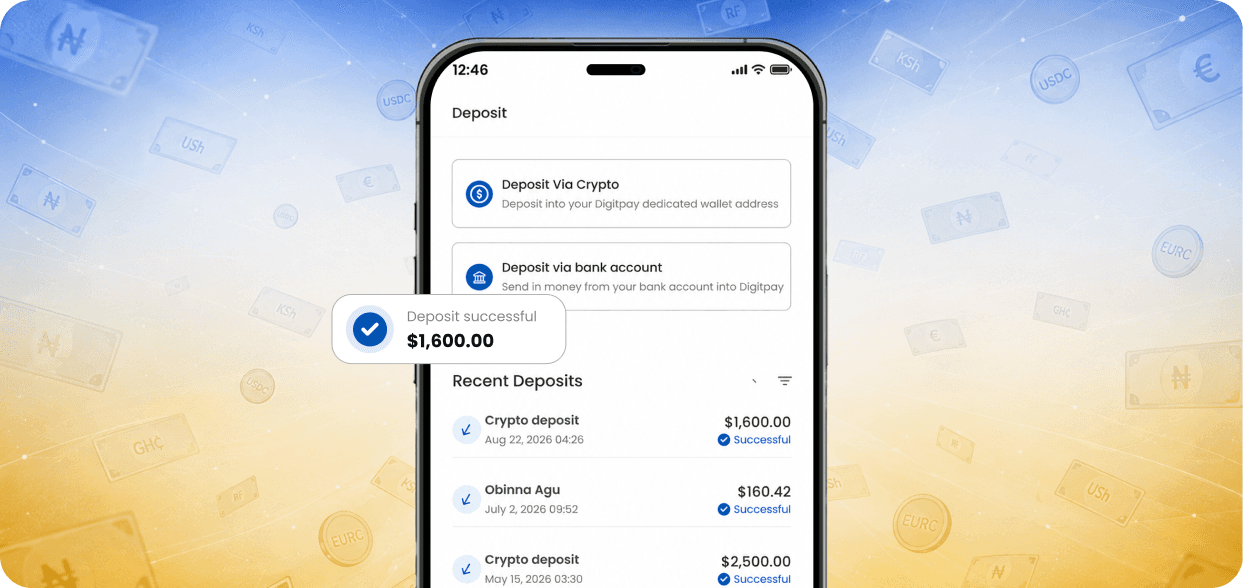
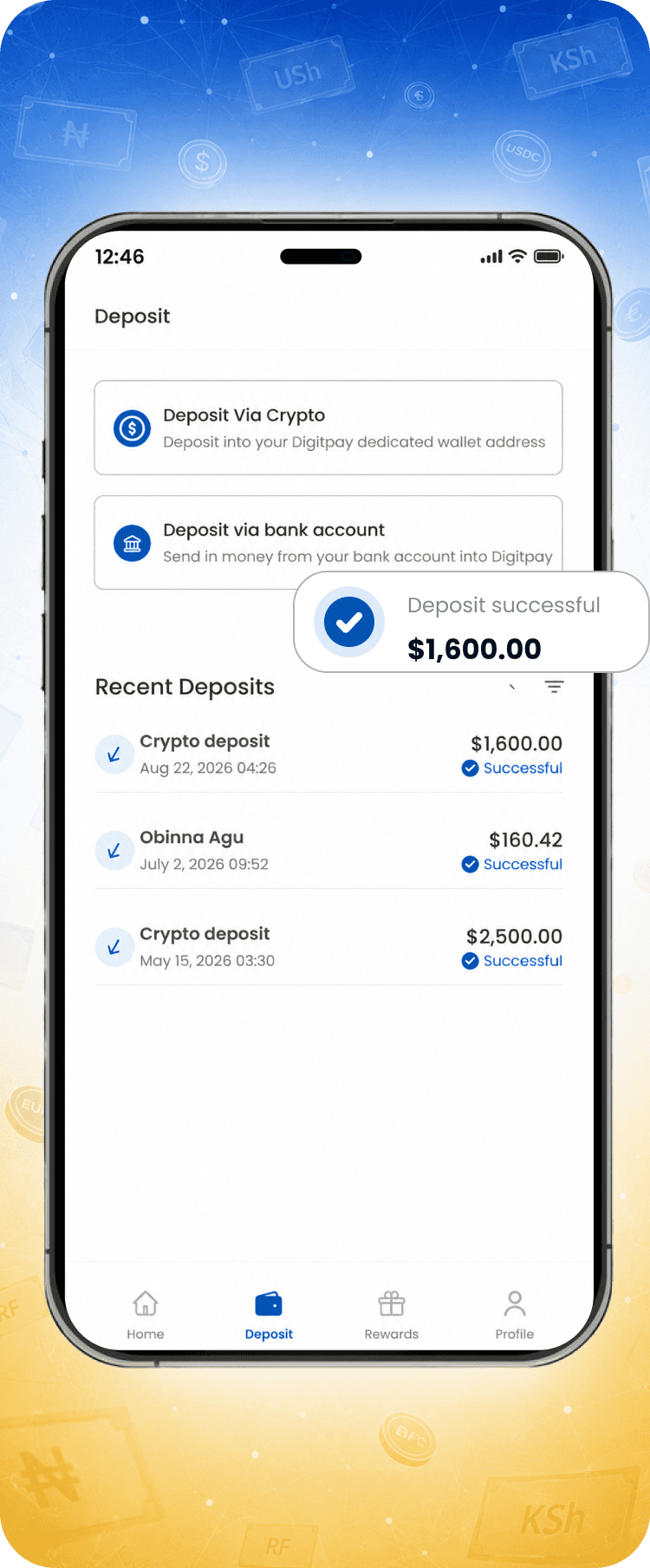
Deposit what you have from your bank account or crypto wallet
Depositing shouldn't be complicated. Fund your wallet with a bank transfer from your local bank account, or a crypto deposit to your wallet address.
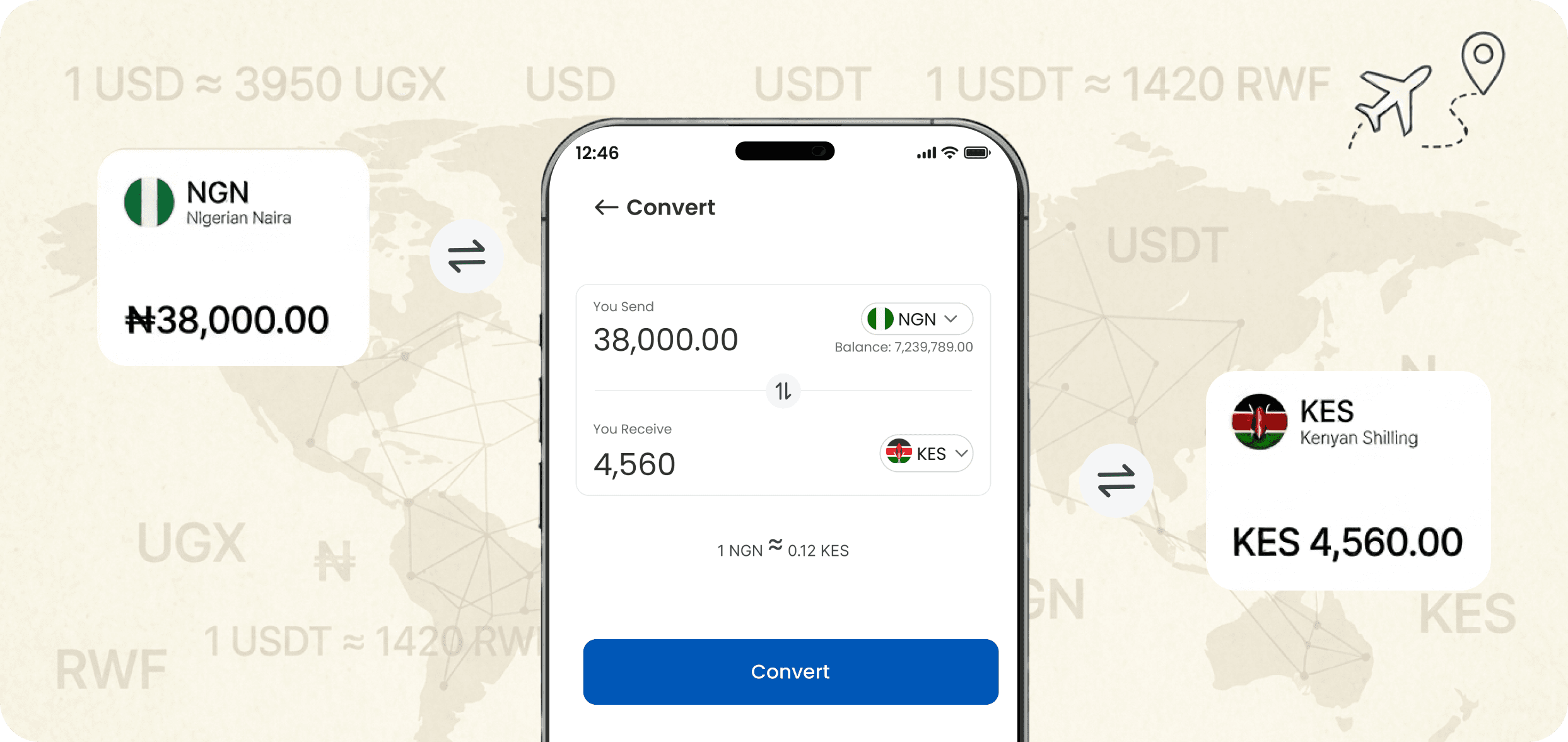
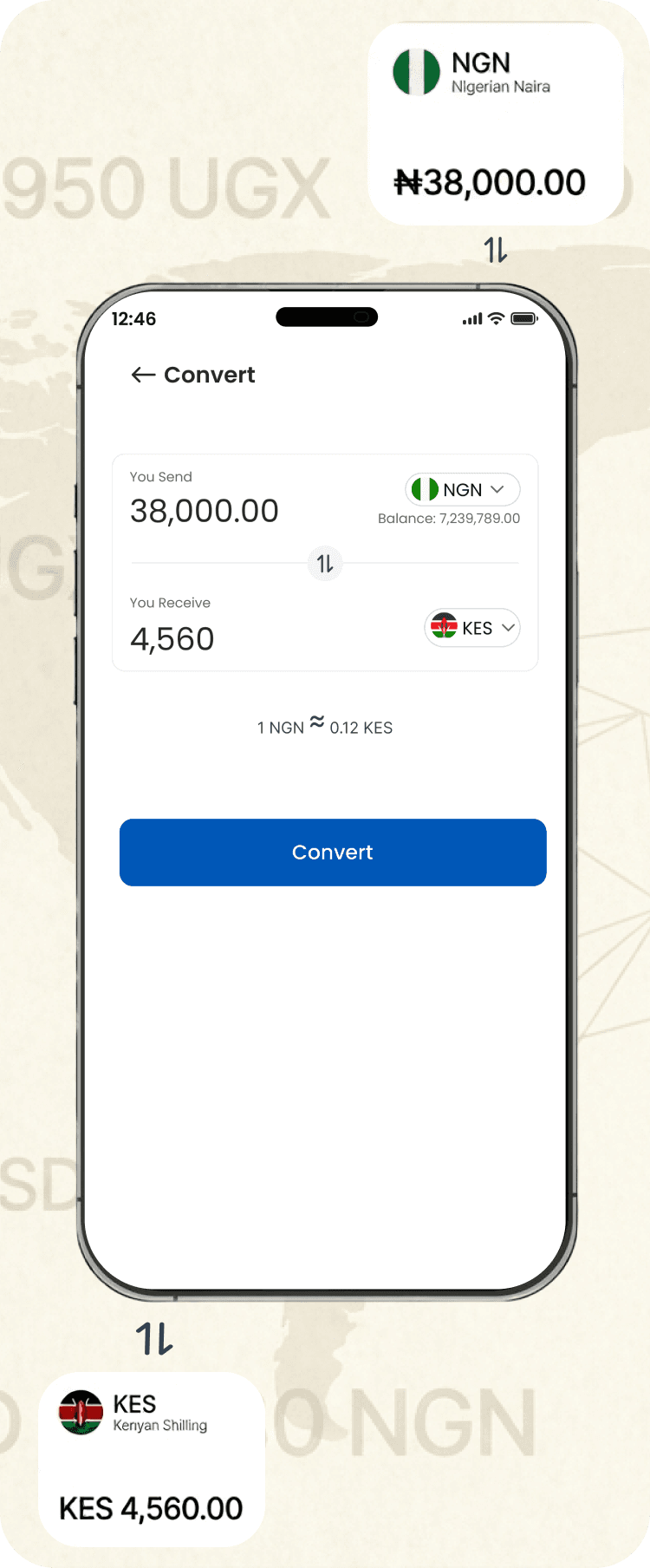
Convert when your money's in the wrong currency
If the money you have isn't already in the currency you need, convert it instantly, right inside your wallet, no waiting on a stranger. Already holding the right currency? Skip this step and spend straight away.
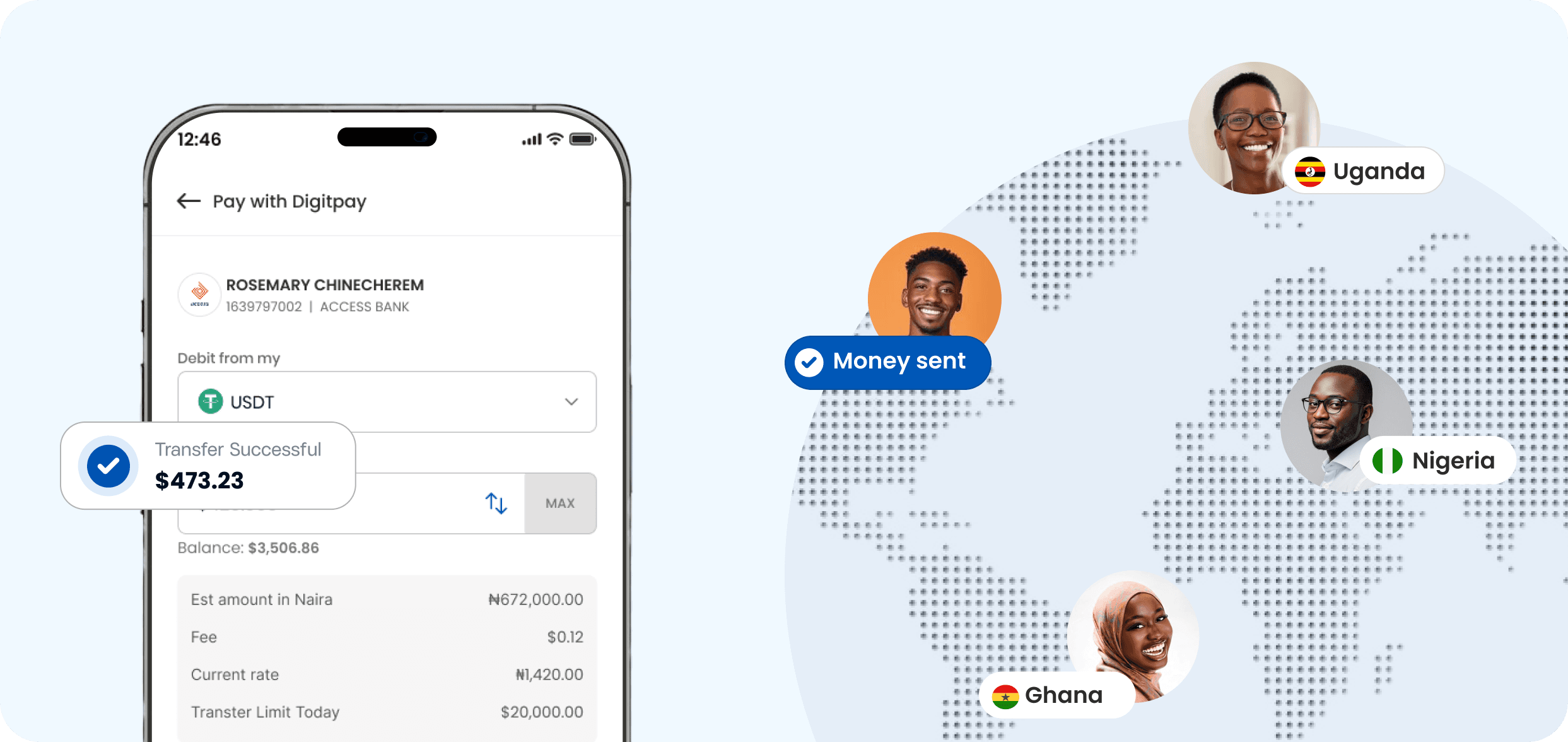
Spend from your Digitpay balance
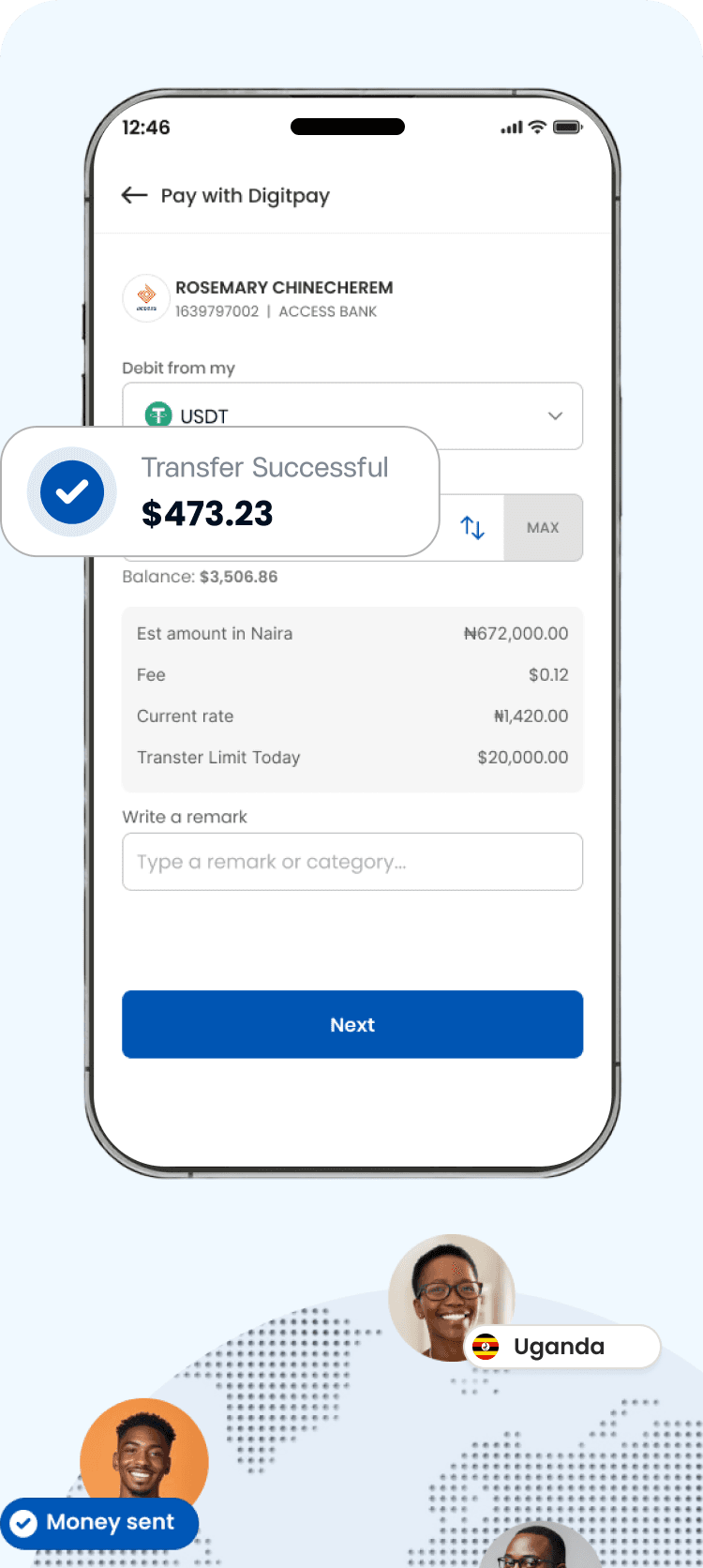
Send money, pay bills, and buy airtime in seconds, straight from your Digitpay balance. Send to a bank account, to another Digitpay user by email at zero cost, or onchain to any wallet address. It's fast, secure, and built for the payments you make every day.
 USDT
USDT USDC
USDC CNGN
CNGN EURC
EURC NGN
NGN KES
KES RWF
RWF USD
USD GHS
GHS UGXUSDTUSDCCNGNEURCNGNKESRWFUSDGHSUGXUSDTUSDCCNGNEURCNGNKESRWFUSDGHSUGX
 Stellar
 Solana
 BSC
BSC BaseStellarSolanaBSCBaseStellarSolanaBSCBase
Get started in 4 simple steps
Follow these simple steps to start your payment journey with Digitpay
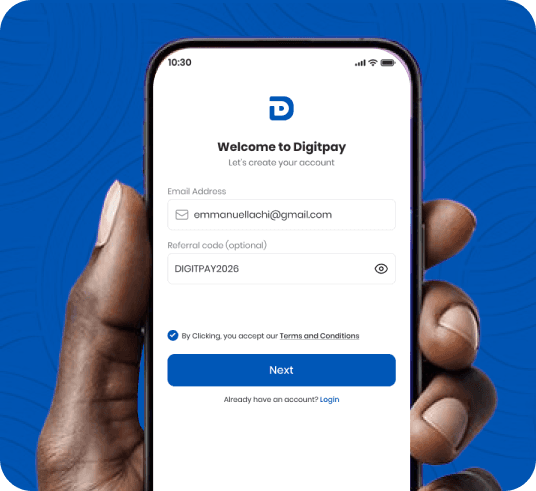
Create Account
Deposit Money
Convert
Start Transacting
Trust & Compliance
Security you can verify, not just trust
Every part of your money's journey runs through named, regulated, independently audited partners, not just a promise.
Identity Verification
Dojah
ISO 27001, ISO 22301 & ISO 20000 certified. NDPR-compliant.
Every user is identity-verified before they can move money.
Fraud Monitoring
Block Radar
Wallet infrastructure and real-time fraud monitoring.
Every crypto transaction is screened before it settles.
Regulated Payouts
Assets MFB
Licensed NGN payout partner.
Local currency payouts run through a regulated financial institution.
Licensed Liquidity
Yellow Card
Licensed stablecoin on/off-ramp.
Crypto-to-fiat conversion runs through a regulated liquidity partner.
Want the full detail? Read our FAQ on safety and licensing.
The Old Way vs. Digitpay
The old way vs. the Digitpay way
One Account, Multiple Currencies
One app. Multiple currencies you actually need.
Most apps: built for one country
One pin. One currency. Nothing else moves.
Digitpay: one account, multiple African currencies
Naira, Cedi, Shilling — one balance, always moving.
Most local apps stop working the moment you cross a border. Digitpay holds and spends in multiple African local currencies from one account, so you're not starting over in every country.
Hear what our customers
have to say
Yesterday I fell in love Who with? @digitpayfinance I met them at the booth yesterday and getting to know how easy they made making real life purchases with a seamless crypto to fiat bridge I was instantly entranced. Spoke to a couple of ppl on the team and they’re gems

Divinewisdom Ugwuanyi | No 1 Africa Advocate
@divinewisdomu
@Eth_Enugu Residency Builders asked the local yogurt seller if she accepts payment with @digitpayfinance. builder supporting builder....

druxamb•base•eth 🧳✈️🇨🇳
@DruxAMB
Yesterday I fell in love Who with? @digitpayfinance I met them at the booth yesterday and getting to know how easy they made making real life purchases with a seamless crypto to fiat bridge I was instantly entranced. Spoke to a couple of ppl on the team and they’re gems
Divinewisdom Ugwuanyi | No 1 Africa Advocate
@divinewisdomu
@Eth_Enugu Residency Builders asked the local yogurt seller if she accepts payment with @digitpayfinance. builder supporting builder....
druxamb•base•eth 🧳✈️🇨🇳
@DruxAMB
I got onboarded by @ChidimmaUgwuu during the course of the pop up city and yesterday, I proudly repped @digitpayfinance @digitpay_unn at Eth Enugu Conference🥰 I’m grateful for the opportunity to be part of the team and work alongside @amarachiugwu_ 🥰

Success Afor
@Hopeville27
During the @SuperteamNG Day 5 - Demo day. The digit pay co-founder @amarachiugwu_ pitch at Startup Village Lagos, and I had to try it out immediately. Smooth experience, Fast transaction, and easy to use. According to her, @digitpayfinance is your web3 opay.

CMA | Ekitiweb3 conference 2026
@CallMi_Alex_
I got onboarded by @ChidimmaUgwuu during the course of the pop up city and yesterday, I proudly repped @digitpayfinance @digitpay_unn at Eth Enugu Conference🥰 I’m grateful for the opportunity to be part of the team and work alongside @amarachiugwu_ 🥰
Success Afor
@Hopeville27
During the @SuperteamNG Day 5 - Demo day. The digit pay co-founder @amarachiugwu_ pitch at Startup Village Lagos, and I had to try it out immediately. Smooth experience, Fast transaction, and easy to use. According to her, @digitpayfinance is your web3 opay.
CMA | Ekitiweb3 conference 2026
@CallMi_Alex_
Bro I tried Digtpay on Sunday Damnnn The fiat to crypto shii is so cool, its a good recommendation fr 💙.

Gagantua 🐘
@GagantuaWEB3
Took that bold step. @digitpayfinance @ugwusomtooo

Adéwálé
@omoakintola_
Bro I tried Digtpay on Sunday Damnnn The fiat to crypto shii is so cool, its a good recommendation fr 💙.
Gagantua 🐘
@GagantuaWEB3
Took that bold step. @digitpayfinance @ugwusomtooo
Adéwálé
@omoakintola_
Yesterday I fell in love Who with? @digitpayfinance I met them at the booth yesterday and getting to know how easy they made making real life purchases with a seamless crypto to fiat bridge I was instantly entranced. Spoke to a couple of ppl on the team and they’re gems
Divinewisdom Ugwuanyi | No 1 Africa Advocate
@divinewisdomu
@Eth_Enugu Residency Builders asked the local yogurt seller if she accepts payment with @digitpayfinance. builder supporting builder....
druxamb•base•eth 🧳✈️🇨🇳
@DruxAMB
Yesterday I fell in love Who with? @digitpayfinance I met them at the booth yesterday and getting to know how easy they made making real life purchases with a seamless crypto to fiat bridge I was instantly entranced. Spoke to a couple of ppl on the team and they’re gems
Divinewisdom Ugwuanyi | No 1 Africa Advocate
@divinewisdomu
@Eth_Enugu Residency Builders asked the local yogurt seller if she accepts payment with @digitpayfinance. builder supporting builder....
druxamb•base•eth 🧳✈️🇨🇳
@DruxAMB
I got onboarded by @ChidimmaUgwuu during the course of the pop up city and yesterday, I proudly repped @digitpayfinance @digitpay_unn at Eth Enugu Conference🥰 I’m grateful for the opportunity to be part of the team and work alongside @amarachiugwu_ 🥰
Success Afor
@Hopeville27
During the @SuperteamNG Day 5 - Demo day. The digit pay co-founder @amarachiugwu_ pitch at Startup Village Lagos, and I had to try it out immediately. Smooth experience, Fast transaction, and easy to use. According to her, @digitpayfinance is your web3 opay.
CMA | Ekitiweb3 conference 2026
@CallMi_Alex_
I got onboarded by @ChidimmaUgwuu during the course of the pop up city and yesterday, I proudly repped @digitpayfinance @digitpay_unn at Eth Enugu Conference🥰 I’m grateful for the opportunity to be part of the team and work alongside @amarachiugwu_ 🥰
Success Afor
@Hopeville27
During the @SuperteamNG Day 5 - Demo day. The digit pay co-founder @amarachiugwu_ pitch at Startup Village Lagos, and I had to try it out immediately. Smooth experience, Fast transaction, and easy to use. According to her, @digitpayfinance is your web3 opay.
CMA | Ekitiweb3 conference 2026
@CallMi_Alex_
Bro I tried Digtpay on Sunday Damnnn The fiat to crypto shii is so cool, its a good recommendation fr 💙.
Gagantua 🐘
@GagantuaWEB3
Took that bold step. @digitpayfinance @ugwusomtooo
Adéwálé
@omoakintola_
Bro I tried Digtpay on Sunday Damnnn The fiat to crypto shii is so cool, its a good recommendation fr 💙.
Gagantua 🐘
@GagantuaWEB3
Took that bold step. @digitpayfinance @ugwusomtooo
Adéwálé
@omoakintola_
Spend your money in local currencies across Africa, download Digitpay today